
Ai 2025 Round-up
It’s said that a decade’s worth of development now happens in just a single year of Ai, and nowhere is that more evident than in filmmaking.
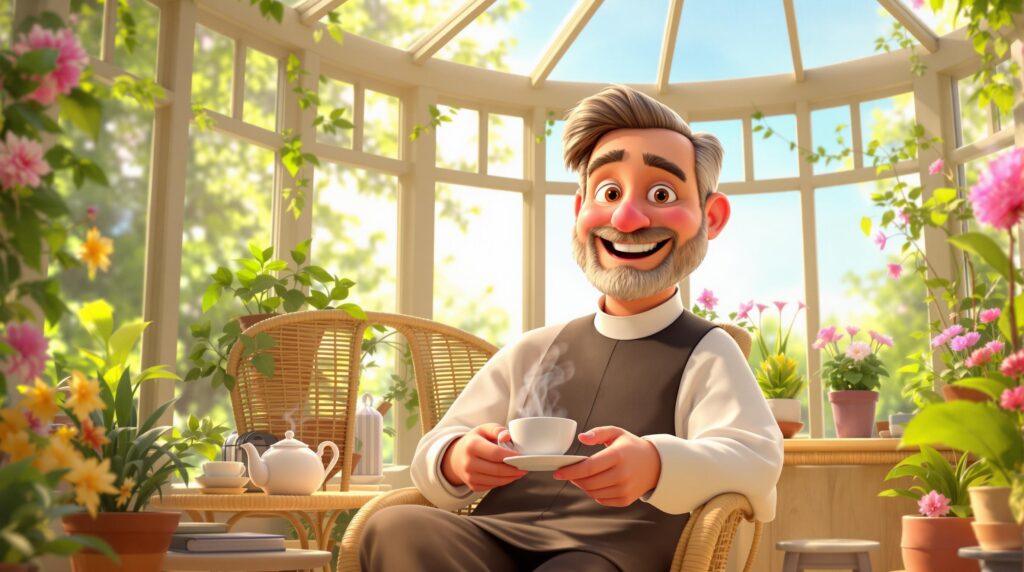
We began 2025 with video generators that were generally impressive but struggled with coherence: they weren’t especially good at keeping scenes, characters, or environments visually consistent throughout a sequence. My ‘More Tea Vicar’ video, made in February 2025, required a huge amount of creative intervention to maintain continuity and keep the images aligned from shot to shot.

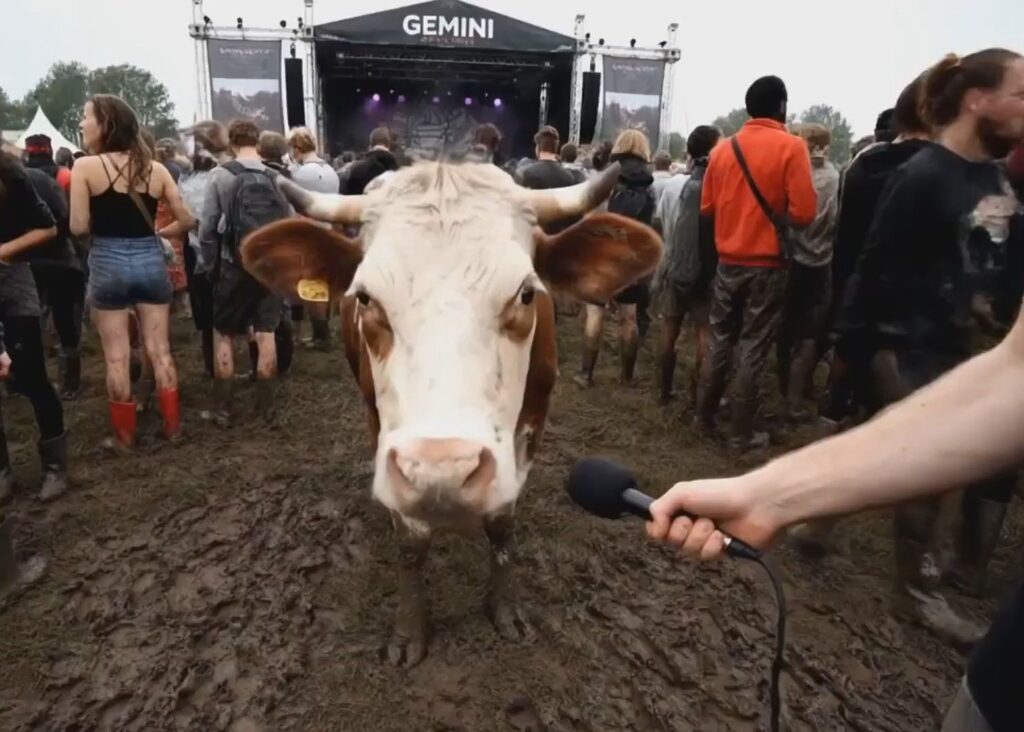
As the year progressed, new models began to appear so quickly that it became almost impossible for an individual to track every update. The most significant advances arrived in the form of Google’s Veo 3.1 and OpenAI’s Sora 2, both capable not only of generating high quality video but also of producing natural lip-synced dialogue and fully integrated background audio from text prompts. These releases moved Ai to another level and the problem of coherence has pretty much become a thing of the past.
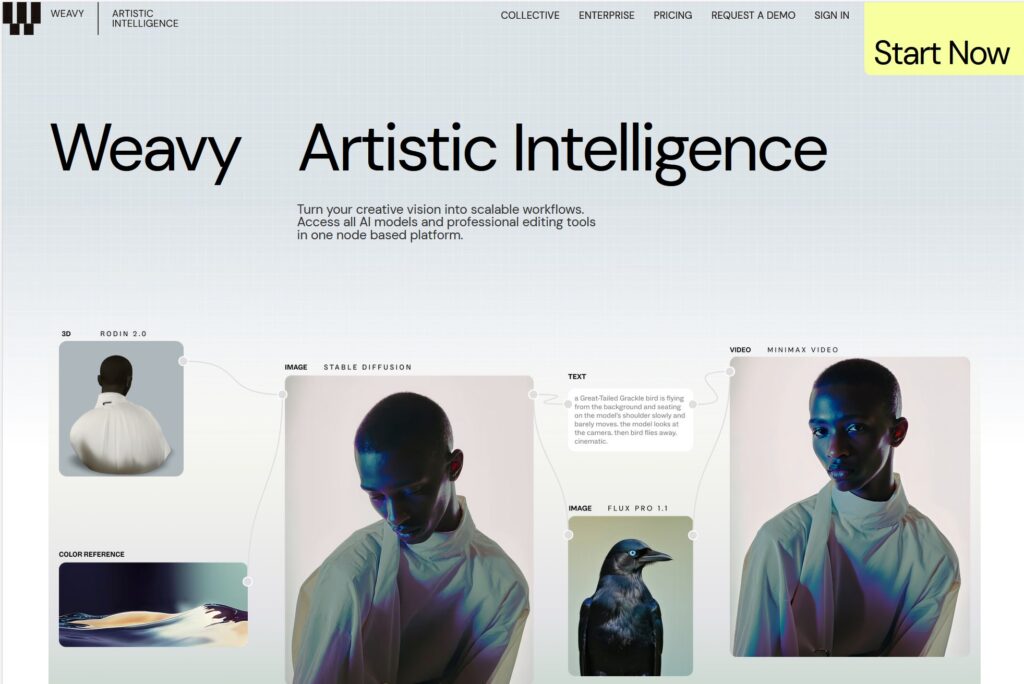
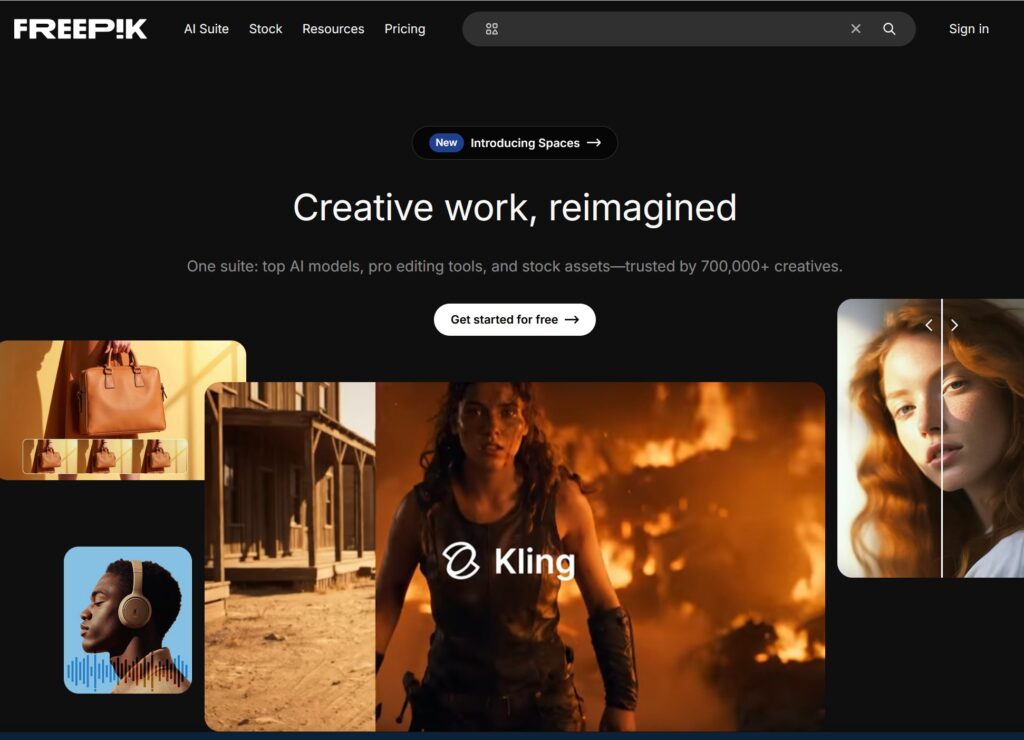
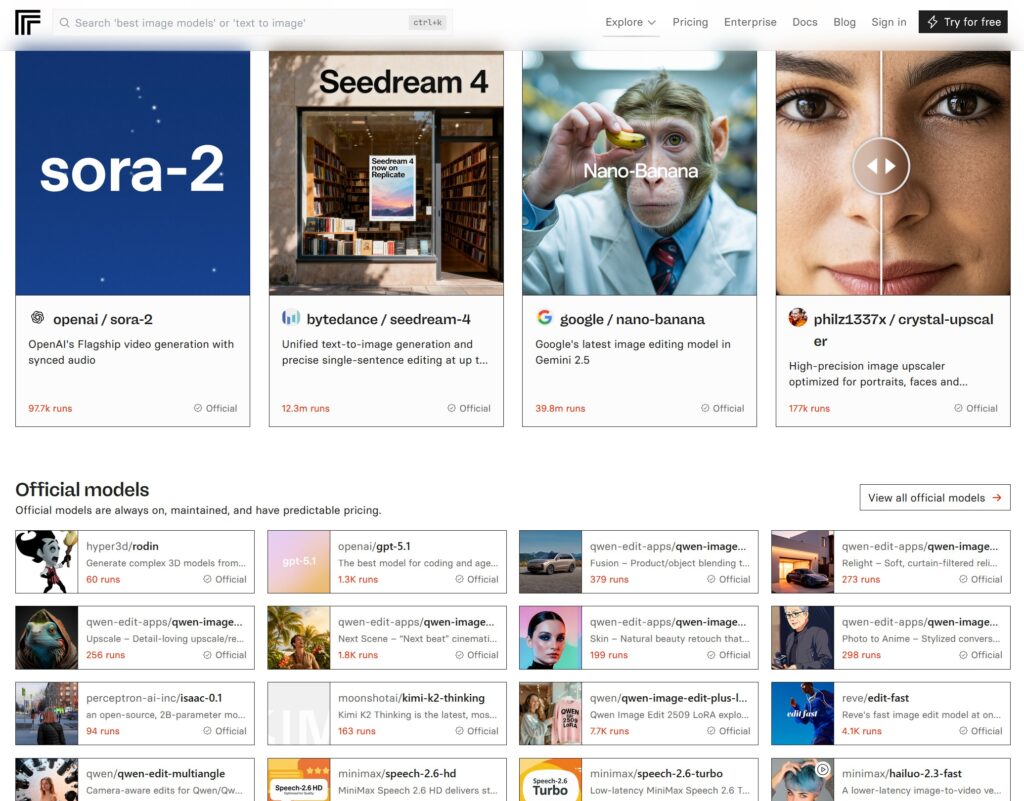
Another major shift came from the way AI tools were accessed. Previously, anyone wanting the “best of everything” had to juggle multiple subscriptions with different providers – an increasingly unrealistic burden given the number of new releases. This pressure led to the rise of integrated platforms offering access to numerous AI models in one place, giving creators a single subscription and the ability to use whatever was most advanced at any given moment.
By the end of this year, the landscape looked nothing like it had in January. Predictions that AI would “hit a wall” because Large Language Models (LLMs) had reached their limit were proven wrong. LLMs abilities continued to surprise even their supporters. Anyone who has spent meaningful time with ChatGPT will have experienced its reasoning, adaptability, and apparent intellect – despite being, at its core, a system that “simply predicts the next word.”
The year also witnessed the rise of another trend: ”the anti-Ai’.
Some video makers insist that AI should be restricted or even halted entirely. Then there are those who proudly declare that their work contains no AI. Yet the irony is that Ai has become so deeply embedded in modern creative software that it may be impossible to guarantee whether a tool was, or was not, using Ai.
It’s also somewhat of a shame that energy goes into debating how a video was made, rather than focusing on what the video expresses, or why it was made.
The truth is that Ai has already reshaped the world, and we are only witnessing its earliest chapter.
Quite simply, Ai is now unstoppable, and we will have to live – and create – alongside it.
Welcome to the future!
Jim